

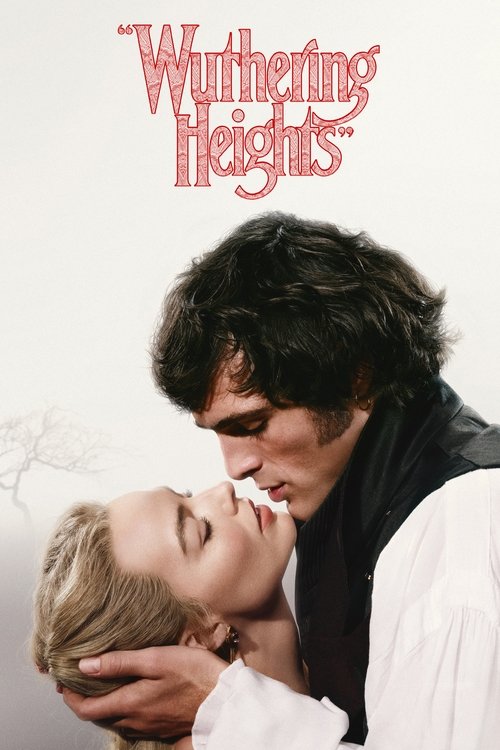
Wuthering Heights Review: A Glossy, Gothic Fever Dream
This is "Wuthering Heights" filtered through a TikTok aesthetic—gorgeous to look at, but lacking the soul-crushing grit Brontë intended.
You’ve seen the moody posters and the A-list casting, but does Emerald Fennell’s latest reimagining actually capture the moorland madness? If you’re expecting the raw, muddy, and toxic intensity of the original novel, you might find yourself a bit disoriented by the glossy, high-fashion sheen applied here. It’s a classic tale of how tragedy strikes when Heathcliff falls for the unreachable Catherine, but this version feels more like a moody music video than a period drama. It’s definitely worth a watch for the visuals alone, but don't expect to leave the theater emotionally shattered. You'll be entertained, but perhaps not haunted.
Is "Wuthering Heights" Worth Watching? (Quick Verdict)
| Our Rating | 6.5/10 — Style over substance. |
| Best For | Gen Z aesthetic lovers and Fennell stans. |
| Skip If | You are a Brontë purist who hates "Saltburn" vibes. |
It’s a visually arresting piece of cinema that occasionally forgets its characters are supposed to be monsters of obsession. While it’s entertaining, it trades the book's claustrophobic dread for a series of beautifully lit tableaux.
Plot: What's "Wuthering Heights" Actually About?
The story transports us to the wind-swept, desolate moors of Yorkshire, where the brooding atmosphere is as much a character as the people. We witness the arrival of a young, orphaned outsider into the Earnshaw household, a move that sets a decades-long cycle of vengeance and obsession into motion. As the years pass, an inseparable bond forms between the wild-spirited daughter of the house and the mysterious boy. However, the rigid class structures of 18th-century England create an impassable chasm between them. When Catherine chooses social standing and the comfort of a wealthy marriage over her primal connection to the stable-hand, a devastating tragedy strikes. This betrayal transforms Heathcliff into a man consumed by a singular, destructive goal: to ruin everyone who kept him from his soulmate. He disappears, only to return years later as a wealthy, vengeful specter haunting the families of the Heights and Thrushcross Grange. The narrative weaves through generations, showing how the sins of the parents are visited upon the children in a relentless loop of heartbreak. Will this cycle of hatred ever break, or are these lovers destined to haunt the moors forever?
Direction & Writing: Does It Deliver?
Emerald Fennell brings the same provocative, "eat the rich" energy she honed in Saltburn to the Yorkshire moors. Her direction is undeniably stylish, leaning heavily into a maximalist aesthetic that makes 18th-century England look like a high-fashion editorial. However, the writing often feels a bit too modern for its own good. Fennell’s screenplay strips away the gothic horror of the original text in favor of a more accessible, soapy melodrama. There’s a specific moment during a dinner scene at Thrushcross Grange where the dialogue feels jarringly contemporary—almost as if the characters are debating relationship "red flags" rather than struggling with Victorian social constraints. While the pacing is brisk and avoids the typical period-drama slump, it sacrifices the slow-burn obsession that makes the source material so haunting. Fennell is clearly more interested in the power dynamics and the visual representation of class envy than the supernatural undertones of the book. It’s a bold swing that mostly lands, but it lacks the atmospheric weight required to make the ending truly resonate. You'll enjoy the ride, but you might find yourself questioning the depth of the script once the credits roll.
Performances: Who Shines, Who Doesn't?
Margot Robbie is, predictably, a force of nature as Catherine. She captures the character’s flighty, selfish, yet magnetic personality with ease, though she sometimes feels a bit too polished for the Yorkshire fog. There is a scene where she stands on the cliffs, screaming into the wind, where Robbie’s sheer commitment to the role almost makes you forget the movie’s flaws. Then there’s Jacob Elordi as Heathcliff. While Elordi certainly has the "tall, dark, and brooding" requirement down to a science, his performance lacks the terrifying, visceral rage that usually defines the character. He’s more of a sad boy than a vengeful demon. The real scene-stealer, however, is Hong Chau. As Nelly Dean, she provides a grounded, cynical perspective that the movie desperately needs amidst all the high-stakes pining. Shazad Latif also turns in a nuanced performance as Edgar Linton, making a character who is usually a "boring nice guy" feel genuinely sympathetic. The chemistry between Robbie and Elordi is palpable, which helps sell the central romance, but you can’t help feeling that the supporting cast is doing the heavy lifting to keep the emotional stakes grounded.
Visuals, Score & Production
If there is one reason to see this film on the big screen, it’s the cinematography. The moors have never looked more hauntingly beautiful, shot with a color palette that shifts from sickly, bruised purples to stark, cold greys. The production design is top-notch; Wuthering Heights itself feels like a decaying carcass, while Thrushcross Grange is a suffocatingly gold-leafed cage. The score, composed with a mix of traditional strings and jarringly modern synths, creates a sense of unease that works surprisingly well. It’s a sensory feast that manages to convey the isolation of the characters through wide, lonely shots and tight, claustrophobic close-ups. The sound design is equally impressive, with the constant howling of the wind acting as a permanent backdrop to the dialogue, reminding you that nature is the ultimate judge in this story.
The Good & The Bad
What Works:
- The visual storytelling is impeccable, creating a gothic atmosphere that is both modern and timeless.
- Margot Robbie delivers a powerhouse performance that captures Catherine's complex, often unlikable nature.
- The supporting cast, particularly Hong Chau, adds much-needed depth and realism to the stylized world.
- The pacing is surprisingly tight, making a long story feel urgent and engaging.
What Doesn't:
- Jacob Elordi’s Heathcliff feels a bit too "pretty" and lacks the menacing edge required for the later acts.
- The dialogue occasionally slips into modern phrasing that breaks the period immersion.
- It prioritizes aesthetic "vibes" over the deep emotional devastation found in the original novel.
Final Verdict: Should You Watch "Wuthering Heights"?
Ultimately, Emerald Fennell’s Wuthering Heights is a striking, if somewhat shallow, reimagining of a literary titan. It’s a movie that knows how to look good, but it doesn't always know how to feel. If you’re a fan of Robbie or Elordi, you’ll likely find enough to enjoy here, and the visual craft is undeniable. However, if you were looking for a definitive, soul-crushing adaptation of the Brontë classic, this version might feel a little too polished. It’s a romance for the Instagram era—beautiful, fleeting, and slightly detached. It’s a solid 6.5, worth it for a rainy afternoon but unlikely to stay with you for years.
DekhoPrime Rating: 6.5/10
Have you watched "Wuthering Heights" yet? Drop your take in the comments!
Frequently Asked Questions
Q: Where can I watch "Wuthering Heights"?
A: Check DekhoPrime for availability, as streaming rights vary by region. It is currently playing in theaters globally before its digital release.
Q: Is "Wuthering Heights" suitable for kids?
A: Not really. Given the dark themes of obsession, revenge, and emotional cruelty, it's better suited for teens and adults who can handle the heavy drama.
Q: How does "Wuthering Heights" compare to similar movies in the same genre?
A: It feels more like Saltburn or The Great Gatsby than a traditional period piece. It trades the gritty realism of the 2011 version for high-gloss stylistic flourishes.
📌 Related Posts
🎬 Have you watched this movie? Drop your thoughts in the comments!
Watch This Movie on DekhoPrime
